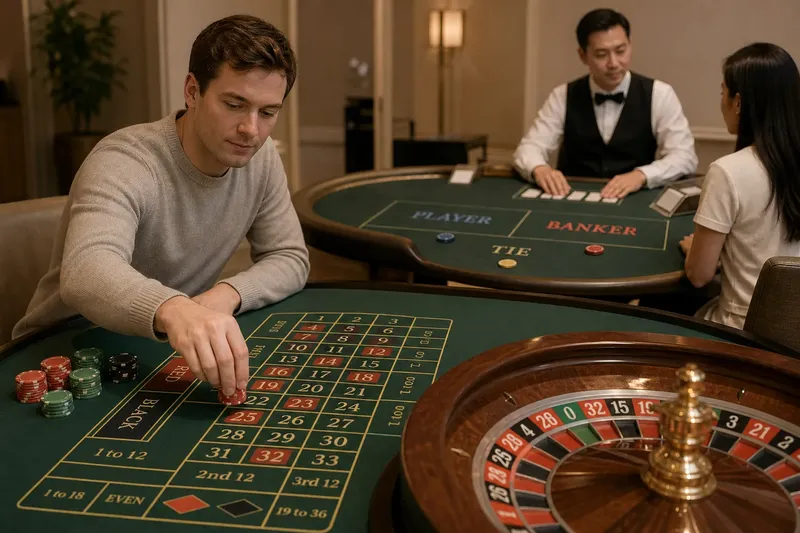
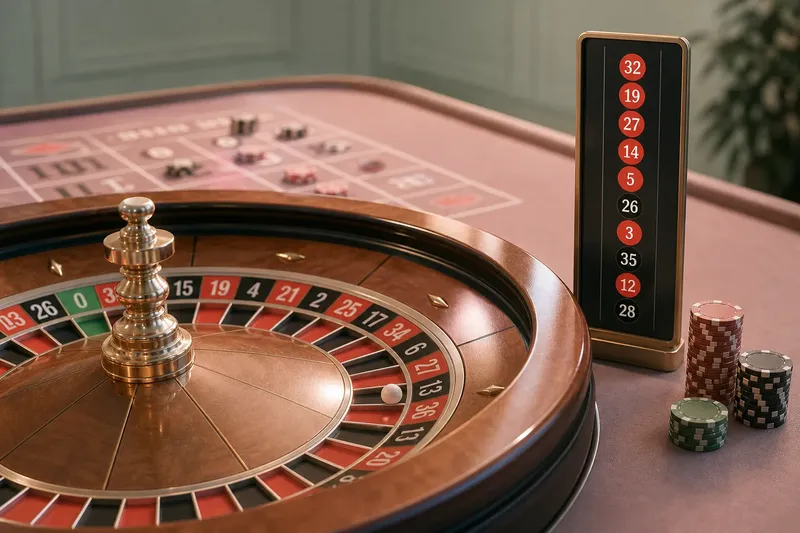
From Dice Games to the Casino Floor
From dice games to the casino floor, see how changing venues shaped access, supervision and the social role of gambling across different settings.
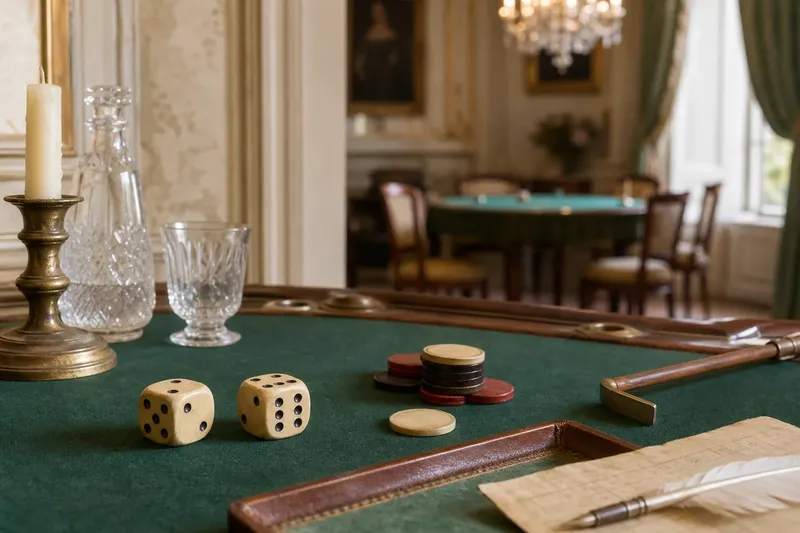
The history of gambling venues is not a straight journey from street play to the modern casino. Dice could be played in an inn or private room, while later gaming houses and resort rooms gathered play under particular hosts and rules. To understand what changed, look at the people who controlled each setting and the other activities around the game.
Dice fitted the places where people already gathered
Dice were portable, so they did not require a dedicated building. A game could take place wherever players had a surface and enough room to gather: an inn, a private house or a public meeting place. The location shaped the experience. An innkeeper might control the room, while a game in a public space could attract onlookers and the attention of local authorities.
That does not mean all informal play was unregulated or open to everyone. Rules about public conduct, local restrictions and social standing could affect who played and where. The useful distinction is not between lawless streets and orderly casinos, but between places where gambling was one activity among many and institutions that arranged space and access around it.
Gaming houses combined play with hospitality
Gaming houses and assembly rooms offered indoor settings in which a host could provide a table, lighting and company. Their purposes varied. Gambling might share space with conversation, refreshments, music or dancing; some establishments were associated with elite social life, while others had a more commercial or tavern-like character. The label alone does not establish what a venue did.
The history of the word casino needs the same care. The Italian word is related to casa, meaning house, and its historical uses included a small country house or pavilion, as well as places for social recreation. The later association with organised gambling developed in particular settings; it should not be treated as the word’s only meaning across every period and place.
Say a town’s dice players move from an inn to a room in an assembly house. The host now sets aside a table, lights the room and decides who may enter. The expected result is a more defined meeting place and clearer control of conduct, not necessarily a change to the game itself.
Resort towns made gaming one part of a larger visit
Some European spa and seaside resorts offered visitors a mix of leisure: accommodation, promenades, performances and gaming rooms. Baden-Baden became associated with resort culture and its casino, but the town’s attractions cannot be reduced to the gaming tables. A visitor’s experience depended on the resort as a whole, including travel, hospitality and the social occasions taking place there.
When accounts describe a venue as fashionable or exclusive, ask what supports that description. Look for evidence about its location, intended visitors, admission practices and links to hotels or other attractions. Such details explain more than a decorative adjective on its own.
Venue rules made supervision part of the experience
A gaming house or dedicated room could have an identifiable host, staff, opening arrangements and rules for guests. Its entrances and table layout also shaped who could see the play and who could intervene. These features made gambling easier to supervise than a game dispersed among people in a street or market, though the nature and strictness of supervision varied by place and period.
Organised settings served several interests. Hosts could manage access and behaviour; authorities could focus their attention on a known establishment; guests could expect a more settled environment. Those interests did not always align, and a well-appointed room was not necessarily open to the wider public. The building’s management mattered as much as its appearance.
When reading about a venue, identify who admitted guests, who worked there and who had authority to enforce its rules.
Local law and custom shaped different casino traditions
There was no single route from casual dice play to the casino. Laws and customs differed, so gambling might be tolerated in one setting, restricted in another or confined to particular kinds of establishment. A venue’s history therefore depends on local evidence: its rules, records of operation and relationship with civic authorities.
The word casino also changed in use across languages and periods. A social pavilion, an assembly room and a gambling house should not be assumed to have shared the same purpose simply because later accounts use the same label. Ask what took place there, who attended and how the venue was governed.
What can a historical casino’s surroundings tell you?
Was the room mainly for gaming?
Descriptions of the building and accounts of its use can show whether gambling occupied the whole venue or shared it with dining, music or other gatherings. If the evidence is unclear, describe the venue’s mixed purpose rather than assigning it a single function.
Who could enter?
Look for references to invitations, membership, admission rules or social expectations. If the evidence points to restricted access, distinguish that venue from a public commercial room; if it is absent, avoid assuming that entry was unrestricted.
How did local authorities respond?
Licences, restrictions and official records can clarify how gambling was treated in that place. If the records are missing or ambiguous, present the legal situation as uncertain rather than inferring it from the venue’s appearance.
What else drew visitors there?
Nearby hotels, gardens, theatres or promenades may show that gaming formed part of a wider visit. If those connections are documented, describe the resort or district context; if not, keep the account focused on the venue itself.
The path from dice games to the casino floor depended on place
The shift from portable games to organised rooms was uneven, not a simple progression from disorder to refinement. A public gathering could have its own customs, and an elegant venue could still enforce narrow rules of admission. The changes worth tracing are practical ones: where play happened, who controlled the room and what else brought people there.
For the history of dice games to the casino floor, the most useful evidence is often found at the threshold: admission rules, the host’s role and the venue’s relationship with its town. Those details help distinguish a gaming room from a social pavilion, a club or a resort attraction, even when later sources use the same name for them.